


The Allure of Risk in Gambling
The excitement of taking risks is a fundamental aspect of human behavior, particularly in environments designed for entertainment, such as casinos. The thrill that accompanies the possibility of a significant win ignites an adrenaline rush that many find irresistible, especially when considering reliable nrl betting tips that can enhance their strategy. This psychological allure invites individuals to step outside their comfort zones, leading to heightened emotional states and an intense focus on the game at hand. The randomness and unpredictability of gambling outcomes add layers of excitement, making the risk appear worthwhile to players. The very nature of games of chance plays on the human desire for excitement and adventure, creating an irresistible pull toward the unknown.
This notion of risk is not solely about potential financial gain; it also encompasses the emotional and social factors that come into play. Players often view risk-taking as a challenge, competing against the odds and sometimes against one another. The social dynamics within casinos, where players can share their triumphs or disappointments, further enhance the communal aspect of risk-taking. Such interactions create a sense of belonging and elevate the overall gambling experience, making it all the more appealing. The environment cultivates a shared narrative among players, strengthening their connection to the activity and to each other.
Moreover, the environment of a casino is meticulously designed to stimulate risk-taking behaviors. Bright lights, engaging sounds, and the presence of other players contribute to an atmosphere that encourages a willingness to take chances. This sensory overload can desensitize players to their losses, creating a cycle where the thrill of potential victory outweighs the fear of financial loss. Understanding these elements is crucial in grasping why so many are drawn to gamble despite the inherent risks involved. The casino’s design not only attracts players but also reinforces their inclination to engage in riskier behaviors, as the ambiance continuously heightens their excitement and anticipation.
The Psychological Factors Behind Risk-Taking
Several psychological factors contribute to the propensity for risk-taking in casino settings. One of the most significant is the concept of loss aversion, which suggests that the fear of losing is a more potent motivator than the prospect of winning. This phenomenon can lead players to engage in riskier behaviors to recover losses, often resulting in even greater financial setbacks. The desire to avoid the emotions associated with losing can trap players in a cycle of increased wagering, escalating as they attempt to regain control over their situation. Consequently, this cycle can become self-perpetuating, with players continually chasing their losses, often leading to disastrous outcomes.
Additionally, cognitive biases play a crucial role in shaping gambling behavior. Many gamblers fall victim to the ‘gambler’s fallacy,’ a belief that past events can influence future outcomes in random games. For example, a player might assume that a slot machine is ‘due’ for a win after a series of losses, prompting them to increase their bets. This misinterpretation of probability can drive individuals to engage more deeply in risk-taking, often leading them to make decisions against their better judgment. Such cognitive distortions highlight the complexities of human thought processes, particularly in high-stakes situations like gambling.


Self-control, or the lack thereof, is another significant psychological component influencing risk-taking. Some individuals possess lower impulse control, making them more susceptible to the thrills of gambling. In the casino environment, where the stakes are high and the atmosphere is charged with excitement, these individuals may find it challenging to resist the temptation to gamble extensively. Understanding these psychological aspects provides insight into why some players seem unable to curtail their risk-taking behavior, despite the negative impacts it may have on their lives. The interplay between impulse control and environmental triggers can create a perfect storm for excessive gambling.
The Role of Emotion in Gambling Decision-Making
Emotion plays a critical role in the decision-making processes of gamblers. The stimulating emotions associated with risk-taking can lead to impaired judgment and impulsive choices. When individuals are emotionally charged, they often disregard logical reasoning, allowing feelings to dominate their decisions. For instance, a player who is on a winning streak may feel invincible and take larger risks, convinced that luck is on their side. Conversely, after a series of losses, a gambler may become desperate, engaging in riskier bets in hopes of recovering their lost money. This emotional volatility can cloud judgment and lead to a downward spiral of gambling behavior.
Additionally, the emotional highs and lows experienced in gambling can create a rollercoaster effect that compels players to return repeatedly. The highs of winning can result in euphoria, reinforcing the desire to take risks, while the lows of losing can foster feelings of frustration or disappointment. These emotional states may lead individuals to rely on gambling as a coping mechanism for stress or dissatisfaction in other areas of life. Over time, this cycle can contribute to problematic gambling behaviors, as individuals seek to escape negative emotions through risk-taking. The emotional stakes involved in gambling can make it a compelling escape, albeit a potentially damaging one.
The social aspect of casinos amplifies emotional responses further. Celebrations of wins and shared experiences among players create a strong emotional bond, reinforcing the thrill of risk-taking. The cheers and camaraderie present in casinos foster an environment where emotional investment becomes ingrained. Understanding the interplay between emotion and risk-taking is crucial for comprehending why some individuals are drawn to gambling, despite the potential negative consequences. The collective experience of gambling can amplify emotions, making the highs feel higher and the lows feel more crushing, thus perpetuating the cycle of risk-taking.
The Impact of Environment on Risk Behavior
The physical and psychological environment of casinos significantly influences risk-taking behaviors. Casinos are intentionally designed to create an immersive experience that encourages extended play. From the layout to the decor and even the choice of music, every aspect is carefully curated to stimulate excitement and engagement. This designed atmosphere can make players feel more comfortable taking risks, as it fosters a sense of belonging within the gambling community. The environment acts as an enabler, encouraging players to lose track of time and engage deeply with the games they play.

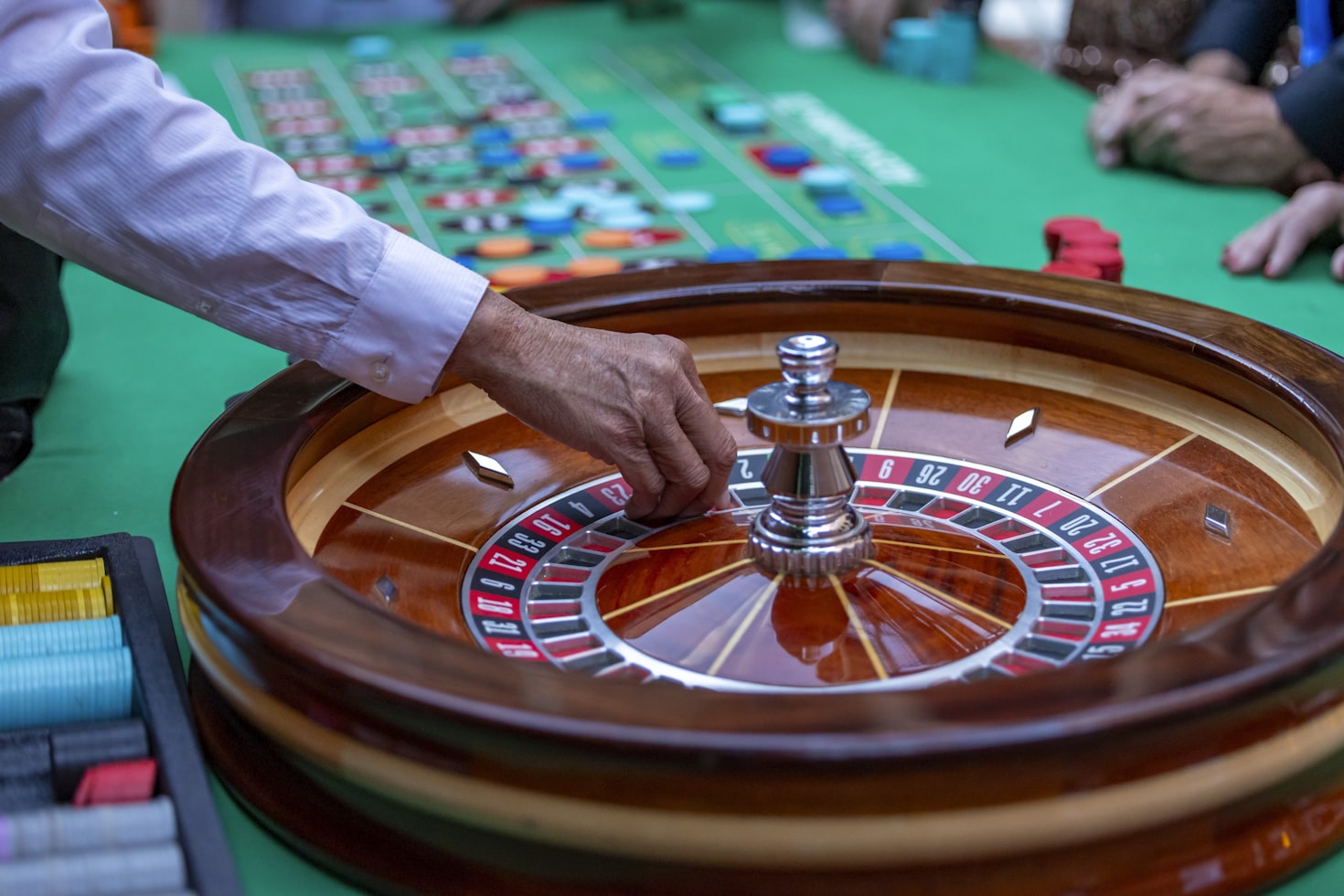
In addition to promoting engagement, the casino environment can trigger specific psychological responses that make players more inclined to take risks. For example, the presence of other players cheering or celebrating can foster a sense of competition, encouraging individuals to take risks they might not consider in isolation. The constant stimulation from flashing lights and sounds can lead to a state of heightened emotional arousal, diminishing players’ ability to make rational decisions and accurately evaluate risk. This sensory overload creates an atmosphere where rational thought takes a backseat to the thrill of the moment.
Overall, the environment is a pivotal factor in shaping gambling behaviors. It not only encourages individuals to take more significant risks but also creates an experience that is often hard to replicate outside the casino setting. Understanding these environmental influences can shed light on the mechanisms that drive individuals to engage in reckless gambling behavior, emphasizing the importance of situational contexts in understanding risk-taking in casinos. By recognizing how external factors can influence decisions, players can better navigate the complexities of their gambling experiences.
Your Go-To Resource for Gambling Insights
For those interested in exploring the facets of gambling and the psychology behind risk-taking, our website serves as a comprehensive resource. We provide in-depth articles, research studies, and insights into the decision-making processes of gamblers, revealing the underlying factors that drive risk-taking behavior. By delving into topics such as emotional influences, environmental factors, and cognitive biases, our content aims to illuminate the complex interactions that define the gambling experience. Readers can gain a deeper understanding of their behaviors and the broader psychological implications of gambling.
Furthermore, our platform encourages discussions and community engagement, allowing individuals to share their experiences and insights. Whether you are a casual player looking to understand your behavior better or a researcher interested in the psychological aspects of gambling, our website offers valuable resources tailored to your needs. Join us to stay informed and contribute to a growing body of knowledge surrounding the psychology of risk-taking in casinos. Engaging with our community can foster a sense of connection and support as individuals navigate their gambling journeys.
In conclusion, the psychology of risk-taking in casinos is a multifaceted topic that encompasses emotions, environmental influences, and cognitive biases. By understanding these elements, players and observers alike can gain a deeper appreciation of the complexities inherent in gambling behaviors. Engage with our content to uncover more about the thrilling yet intricate world of casinos and the psychological dynamics that motivate players to chase the unpredictable outcomes of their gaming experiences. Our website is dedicated to enhancing your knowledge and understanding of this fascinating subject.